
"Mitsubishi Chemical"
7000 article(s) found

How does origin affect the chemical composition and traceability of coffee? Does coffee from different places have the same flavor?
Do you have a favorite coffee producing area? Brazil, Kenya, Ethiopia? Why do you need to care which country the coffee comes from? The most important reason is that even the same variety of coffee will produce different chemical composition due to different planting places. These differences in chemical composition will not only affect the flavor, but also help us to identify distinct flavor characteristics. This article gives way
How does the origin of coffee affect the chemical composition and traceability of coffee beans?
Professional coffee knowledge exchange more coffee bean information please follow the coffee workshop (Wechat official account cafe_style) do you have a favorite coffee producing area? Brazil, Kenya, Ethiopia? Why do you need to care which country the coffee comes from? The most important reason is that even the same variety of coffee will produce different chemical composition depending on where it is planted.

Coffee and Science: exploring the Origin and Coffee Flavor from a Chemical Perspective
Professional coffee knowledge exchange more coffee bean information please follow the coffee workshop (Wechat official account cafe_style) where is your favorite coffee producing area? Brazil, Kenya, Ethiopia? Why do you care which country the coffee comes from? There is probably an important reason because the same variety of coffee has different chemicals according to where it grows.

Coffee essence Chemical Coffee Color, Flavor, Flavor and Flavor
Are you a coffee drinker? You know that some coffee may be "fake coffee" without coffee ingredients. To make a cup of mocha-flavored coffee, you only need to add a few drops of coffee essence and emulsifier bought by the food company to make a cup of chemical coffee that can't tell the difference between real and fake. Actually looking for people to drink blindly, some people can't tell the difference between real and fake coffee at all.

Changes in coffee roasting: what are the chemical changes in the roasting process of coffee beans
Professional coffee knowledge exchange more coffee bean information please follow the coffee workshop (Wechat official account cafe_style) do you know what happens when roasting coffee beans? What are the chemical changes that transform raw coffee beans into coffee ripe beans with charming flavor and rich aroma? The main chemical reaction heating coffee beans will trigger hundreds of different chemical reactions, and roasting will drop.

Coffee essence, chemical coffee, juice or coffee.
Four cups of coffee AB is coffee flavor, CD is canned coffee sold in the market. First smell, look at the four cups are thick brown, can not be distinguished at all. Some people actually drink blindly, or guess wrong, and think that what they drink is real coffee. Doctors are not sure about the contents of Taiwan's coffee flavor, but foreign websites have found that they all contain propylene glycol. This kind of thing is usually used for maintenance.

Analysis of the aroma of coffee from a chemical point of view
Whether you are a coffee expert or an ordinary coffee lover, you will be attracted by the attractive aroma of that freshly ground coffee every morning. What you don't know is that this fragrance actually contains thousands of chemicals. To give you a better understanding of the chemical components of coffee aroma, we have drawn the following chart: in the face of such a complex chemical symbol, you may be

About St. Helena Coffee, one of the most expensive coffee in the world, about $79 per pound
About St. Helena Coffee St Helena Coffee about St. Helena Coffee St. Helena Island (The Island of St Helena) is located in the South Atlantic Ocean at latitude 16 south and longitude 545 west. It covers an area of 47 square miles along the path of the southeast trade wind. It is a small island with a mountainous and subtropical climate. The remote location preserves the purest ecological ring of St. Helena Island.

Some complex chemical changes in the roasting of coffee
The color, aroma and taste of coffee are caused by some complex chemical changes that take place during the baking process. Generally speaking, we use strong alcohol to show the round, mellow and strong taste of coffee. So raw coffee beans must go through a proper chemical process to achieve the most balanced state of its essential ingredients in order to be regarded as the best baked beans. The aroma of coffee will follow the heat.
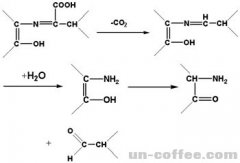
Chemical reaction in coffee roasting Maillard reaction
The roasting of coffee beans is formed by the interaction of different chemical reactions. Generally known as Maillard reaction, caramelization reaction and distillation reaction. Today, let's get a preliminary understanding of what the Merad reaction is. Maillard reaction translated into Chinese is: Merad reaction. Also known as non-enzymatic browning reaction.

In-depth Analysis of Coffee Taste from Chemical Angle
It has been said that adding salt to coffee can neutralize bitterness, which sounds ridiculous, but it has been proved to be effective by science. In 1997, scientists tried to put salt into a bitter chemical solution and compared the bitterness of the solution. It was found that although the concentration of bitter elements in chemical solvents did not change, the chemical solution with salt did not taste so bitter.

The sour, mellow and bitter taste of coffee is caused by complex chemical changes in roasting.
The color, aroma and taste of coffee are caused by some complex chemical changes that take place during the baking process. So raw coffee beans must go through a proper chemical process to achieve the most balanced state of its essential ingredients in order to be regarded as the best baked beans. The aroma of coffee will change with the heat, so the baking time should be shortened as much as possible, and the heat should be controlled within the range of heat.

The chemical structure of coffee and its changes show the characteristics and processing of coffee.
Coffee has long been recognized by the public, and chemistry is also a compulsory course in education in our country. However, we must not know much about the chemical structure of coffee and its changes. Readers may not be very interested in the content that is too theoretical. Now we will use more artistic pictures and language to show you the characteristics and processing of coffee. Coffee can spread all over the world in a hundred years.
The main chemical composition of raw coffee beans is carbohydrate.
Main chemical components of raw coffee beans: content (%) carbohydrate 60.0 reducing sugar 1.0 sucrose 7.0 pectin 2.0 starch 10.0 garrison 5.0 hemicellulose 15.0 holocellulose 18.0 lignin 2.0

What is tannic acid? One of the main chemical constituents of coffee beans
Tannin, one of the main chemical components of coffee beans, accounts for about 7% of the total chemical composition of coffee beans. After extraction, tannic acid will turn into a yellowish powder and easily dissolve in water. Once heated, it will decompose to produce pyrosylic acid, making the taste of coffee worse. Because of this, a cup of brewed coffee will lose its taste and taste if it is not drunk immediately.

[coffee roasting] what are the chemical changes in coffee beans during roasting?
Professional coffee knowledge exchange more coffee bean information please follow the coffee workshop (Wechat official account cafe_style) do you know what happens when roasting coffee beans? What are the chemical changes that transform raw coffee beans into coffee ripe beans with charming flavor and rich aroma? In the previous article, we saw that the structure of coffee beans plays an important role in the roasting process.

Chemical changes in the reaction of coffee roasting which reactions are chemical changes in coffee bean roasting
Professional coffee knowledge exchange more coffee bean information please follow the coffee workshop (Wechat official account cafe_style) professional coffee roasting | coffee roasting is too complicated? A picture teaches you that there are two stages of change in the roasting process of raw beans after baking. 1 physical = volume, density, volume 2 chemical = smell, taste, taste intense coffee beans are roasted at high temperature.

The roasting of Yega Sidamo Coffee in English
Yirgacheffe coffee raw bean is one of the most distinctive coffee in the world, rare and expensive, produced in the highlands of Ethiopia's sidamo province (4000 feet above sea level). It is an outstanding representative of washed coffee in Africa, with unique citrus and lemon fruit aromas, jasmine aromas, moderate roasting and soft acidity, deep roasting.

The chemical composition of coffee
Main chemical composition of raw coffee beans: content (%) carbohydrate 60.0 reducing sugar 1.0 sucrose 7.0 pectin 2.0 starch 10.0 garrison 5.0 hemicellulose 15.0 holocellulose 18.0 lignin 2.0 aroma: aroma is the life of coffee quality, but also the best performance of coffee production process and baking technology, climate, elevation, variety, refinement
Why is coffee bitter?
Why is coffee bitter? A seemingly simple problem has been bothering scientists for decades. Now, scientists have narrowed down their research and targeted two chemical molecules. At the annual meeting of the American Chemical Society, scientists reported that the two bitter chemical molecules were produced during the processing of coffee.